
Dear Friends,
This summer has been an exciting one for the
Propel a Cure
team as we evaluated a record number of cutting-edge Crohn's disease research
proposals from scientists around the world for our Trailblazer Grants.
The breadth of new approaches aimed at uncovering the root causes of Crohn's
and developing paradigm-shifting therapies gives us tremendous hope.
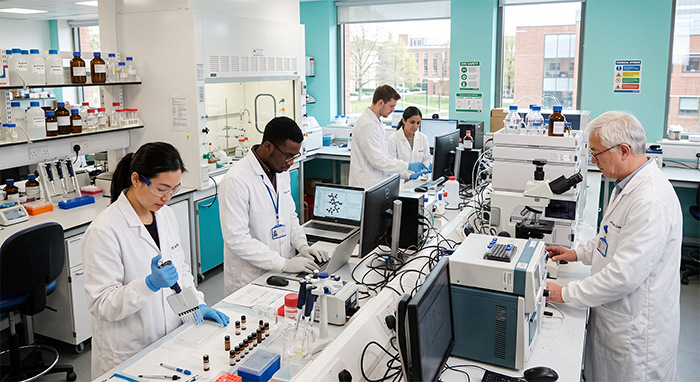
We are excited to announce that, because of your
donations, we will be helping to launch
two
of these projects by the end of this summer. We are in the process of
finalizing agreements with home institutions and look forward to sharing
full details with you as soon as we are able.
Choosing just two initiatives was incredibly difficult. We received three
times as many applications as in our previous grant cycle, leaving us with
a long waitlist of exceptional research teams whose work could significantly
advance our understanding of Crohn's disease and possibly open new paths
toward lasting remission and cures.
If you, your family, or company would be interested in potentially partnering
with Propel a Cure at a level that would provide seed funding to immediately
jump-start one of these teams, please contact us at
grants@propelacure.org
to learn more.
In the meantime, check out the latest progress of the projects below and
see the difference that Propel a Cure supporters are already making on
the front lines of Crohn's disease research.
Sincerely,

ANGELA CLARK
President and CEO
|
|
SPONSORED PROJECT UPDATES
|
|
CROHN'S IMMUNE DEFECTS
OBSERVED IN REAL TIME
|
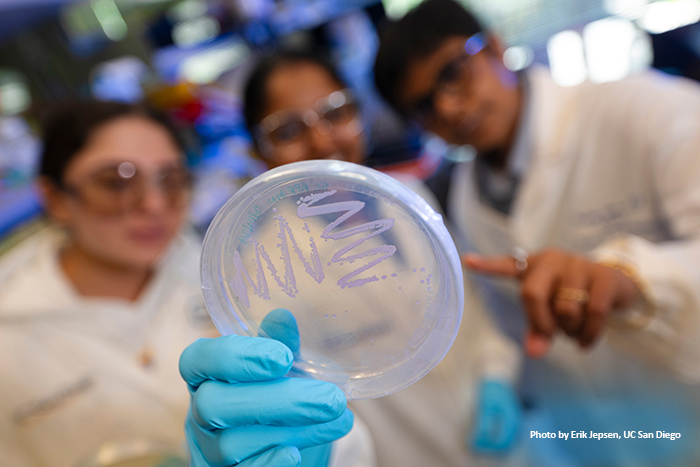
Earlier this year, as part of a Propel a Cure-sponsored project, the Ghosh
Lab at UC San Diego, in collaboration with the Institute for Network Medicine,
reported important progress building on their previous discovery of a key
communication system inside immune cells. Their earlier research showed
that two molecules—
NOD2, the strongest known genetic risk factor for Crohn's disease, and another
called
GIV, a protein that acts as a central hub for cellular signaling -- must
work together for immune cells called macrophages to both destroy harmful
bacteria and prevent excessive inflammation.
According to these findings, when this partnership is disrupted, as it
often is in Crohn's patients who carry certain NOD2 gene variants, immune
cells recognize invading bacteria but cannot eliminate them efficiently.
The bacteria linger, causing the immune system to remain activated and
fueling ongoing inflammation.
The team has now completed an important follow-up study that is currently
under review and has received positive feedback. Reviewers also requested
additional experiments to better show exactly how this process works, and
the lab has now successfully completed those studies. Using advanced live-cell
imaging, the researchers were able to watch immune cells fight bacteria
in real time. In healthy cells, harmful bacteria were captured and destroyed
within about 30 minutes after being engulfed. In contrast, cells lacking
GIV were largely unable to complete this critical step.
For the first time, the researchers were able to directly observe the
failure of bacterial clearance rather than simply infer that it was happening.
The team also tackled another important question: How does the immune
system eliminate harmful bacteria while leaving beneficial gut microbes
alone?
Their findings suggest that GIV acts as an important "decision maker,"
helping immune cells distinguish between friendly microbes that belong
in the gut and pathogens that should be eliminated.
This discovery raises the profound possibility that a small number of
key molecular "control points" may govern the balance between immune surveillance,
microbial clearance, and inflammation.
Together, these advances move the work beyond static pathways toward a
dynamic view of immunity as a real-time decision-making system governed
by signaling logic, timing, and molecular communication networks. The researchers
are excited to incorporate these findings into the revised manuscript and
resubmit it for publication shortly.
|
|
|

|
|
LAB REACHES PUBLICATION MILESTONE
|
At Northeastern University's Woolston Lab, a recipient of a Propel a Cure
grant in partnership with the Mendez Family Foundation, animal experiments
examining the long-term effects of modulated sulfide on gastrointestinal
physiology are continuing.
Researchers hope these studies will reveal to
what extent raising sulfide levels in otherwise healthy mice contributes
to the onset of inflammation, providing new insights into the role of microbial
hydrogen sulfide in inflammatory bowel disease (IBD).
The team has also reached an exciting publication milestone by submitting
its first manuscript about the engineered bacterial strains used in the
project to a scientific journal, and has received favorable comments from
peer reviewers.
They are now working on incorporating the feedback into a revised paper
and are hopeful the published paper will be available online soon.
Northeastern University recently produced this 60-second video clip explaining
this exciting project. To view, please click
here.
|
|
|
|
|
PROMAKHOS PROJECT MOVES FORWARD
|
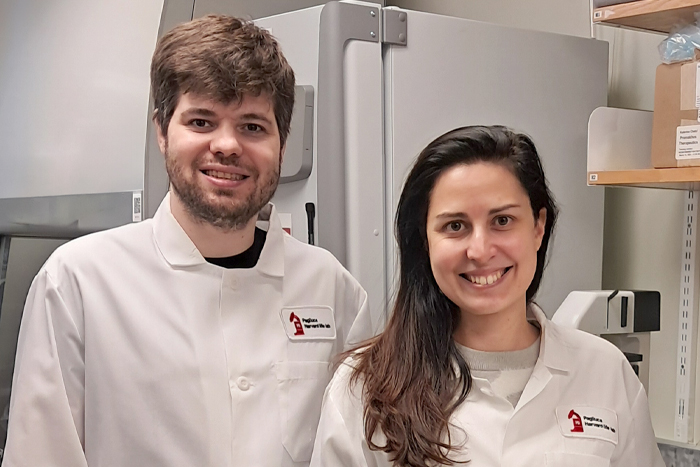
In February 2024, Propel a Cure awarded a 2-year $100,000 grant to Promakhos
Therapeutics for its innovative proposal, "Validating the Role of Mucosal
Innate Immune Deficiency in Crohn's Disease." Promakhos is a Boston-area
startup housed in the Pagliuca Harvard Life Lab, an incubator lab co-managed
by Harvard University and Lab Central.
Thanks to support from Propel a Cure and other funding sources over the
last couple of years, Promakhos has been able to advance the development
of an oral non-immunosuppressive precision therapy that their team believes
has the potential to slow, halt, or even reverse Crohn's disease progression.
This oral therapy, based on research suggesting that the mucosal innate
immune response is not activated correctly in Crohn's patients, aims to
restore a natural biological signal that appears to be missing to address
both barrier dysfunction and immune cell overactivation.
In preclinical studies, it has shown promising results, promoting intestinal
healing, clearance of invasive microbes and gut microbiome diversity, as
well as reducing bowel inflammation. Importantly, this candidate drug has
a selective and distinct mechanism of action that occurs upstream of current
medications. Promakhos' approach is also supported by a biomarker strategy
designed to identify patients who may be most likely to respond to treatment.
In Spring 2026, Promakhos co-founder and CEO Katerina Chatzi received
the prestigious Harvard President's Innovation Challenge Award for alumni
& affiliates of Harvard, recognizing groundbreaking solutions addressing
global challenges.
Promakhos researchers next hope to move their candidate
drug to human safety studies in their drive to bring transformative solutions
to Crohn's patients and others who suffer from inflammatory diseases.
|
|
|
|
|
FIRST GRANT FUELS IMMUNE PATTERN DISCOVERY
|
For its very first grant, Propel a Cure, in partnership with the nonprofit
Cure for IBD, awarded $58,000 to support a groundbreaking study from the
Vincent van Unen Research Group at Leiden University Medical Center in
collaboration with Stanford University, entitled "Shared CD4+ T Cell Receptor
Specificity Groups in Crohn's Disease and Ulcerative Colitis." This research
helped scientists better understand what the immune system may actually
be recognizing and responding to in IBD patients.
Although Crohn's disease (CD) and ulcerative colitis (UC) can look very
different clinically, the research team found that patients with both conditions
shared similar T-cell receptor (TCR) patterns. TCRs are structures on immune
cells that help them recognize specific targets in the body. These shared
patterns suggest that CD and UC may involve some of the same immune triggers.
The researchers also found that these patterns were linked to HLA-DRB1,
a gene region known to influence IBD risk.
The scientists analyzed more than 3 million T-cell sequences from CD and
UC patients, along with healthy controls, and identified five immune patterns
strongly associated with IBD.
These patterns were found in patients in both disease groups, suggesting
that the two conditions may share common immune pathways.
These findings bring researchers closer to identifying the specific immune
targets involved in IBD and may eventually help move the field beyond "CD
versus UC" toward understanding the unique immune drivers of each person's
disease.
Click
here
to see the abstract of the study resulting from this research.
|
|
|
CORPORATE PARTNER SPOTLIGHT

|
We are deeply grateful to our corporate partner Fathom for its generous
support of Propel a Cure and its commitment to the IBD community:
"Supporting the people, community, and research behind better outcomes
for those living with IBD is incredibly important to us."
- Blake Owens,
CEO and co-founder
Fathom is home to an AI wellness companion designed exclusively for IBD
patients. To learn more, visit this special
website.
|

HOPE BUILDERS
POWERING PROGRESS YEAR-ROUND
|
Thank you to our Hope Builder recurring donors! Your ongoing support helps sustain our sponsored research projects throughout the year and advances us toward better treatments and cures for Crohn's disease.
Hope Builders receive behind-the-scenes updates, invitations to special
virtual events, and recognition in our quarterly e-newsletter. Join this
inspiring community by visiting
propelacure.org/donate
and selecting a monthly, quarterly, or yearly gift of any amount.
|
|
Raihanehh Bokharai
|
Natalie Muccioli
|
|
Kimberly Brown
|
Gustavo Nonohay
|
|
Sue Cragg
|
Kathleen Pinckney
|
|
Vince Cvijanovic
|
Anthea Pritchard
|
|
Dina Fiatarone
|
Devin Rasmussen
|
|
Manuela Gonzalez-Bueno
|
Laskshmi Sampath
|
|
Stephen Hall
|
Misty Triplett
|
|
Tracy Loewenthal
|
Elizabeth Voisard
|
|
Diana Miguens
|
Eric Voisard
|
|
WELCOMING OUR NEWEST ORGANIZATIONAL PARTNER

|
Propel a Cure is pleased to introduce our newest organizational partner, the Beej Care Foundation.
The mission of the Beej Care Foundation (BCF) is ensuring no child is left behind. They work across three interconnected pillars: family support, research funding, and AI-powered technology.
BCF provides direct financial assistance to children facing serious medical conditions in the U.S. and India, and funds research into pediatric chronic conditions, including Crohn's disease, autoimmune conditions, cancer, thalassemia, and JIA. BCF also pioneers AI for health equity through tools like PathLight, which delivers research-backed family guidance in 9 languages, and COMPASS, which powers research intelligence across 288,000+ scientific papers.
To learn more, visit beejcare.org
|
COMFORT THROUGH
COLLABORATION

|
Propel a Cure recently began contributing to care packages assembled by TeamTenisa, one of our organizational partners, for newly diagnosed IBD patients. We are supplying informational handouts on our resources and research updates, along with logo-themed pens, for inclusion in these kits. Other items in the package may include flare-up essentials, a medication organizer, a reusable water bottle, a soft blanket, and other comfort items.
TeamTenisa ships one care package monthly to the first eligible IBD warrior who reaches out during the qualifying period. Recipients must be patients diagnosed with Crohn’s disease or ulcerative colitis within the past 12 months who are U.S. residents. The request window opens on the 1st of every month. If you are interested in receiving one, visit teamtenisa.org/ibdcarepackage during the request window.
We thank TeamTenisa for this compassionate effort to convey to IBD patients that they are seen, heard, and not alone.
|
PAID CROHN'S DISEASE
RESEARCH OPPORTUNITY

|
Help advance Crohn's disease research while supporting Propel a Cure!
Our referral partner, Rare Patient Voice, is seeking Crohn’s disease patients to participate in a paid, three-year research opportunity. By sharing your experiences, you'll help researchers better understand life with Crohn's and contribute to future discoveries.
Who: Individuals diagnosed with Crohn's disease
Commitment: Participation over three years (activities vary)
Compensation: Payment is provided for completed research activities and varies by task.
If you're interested, register using Propel a Cure's referral link.
|

RESEARCH REVIEW
NEWS ABOUT CROHN'S & IBD
|
Research published in the journal Nature last month reveals that scientists have created the largest single-cell map of IBD to date, analyzing 2.2 million cells from blood and gut tissue.
Researchers linked genetic risk variants to specific cell types, identifying pathways involved in immune regulation and gut repair. The findings offer new insight into how Crohn’s disease and ulcerative colitis develop and may help guide future therapeutic research.
Article Link:
Nature
|
A new study has found that the bacteria living in the mouth may reflect how active Crohn’s disease is in children. After treatment with either the Crohn’s Disease Exclusion Diet (CDED) plus partial formula nutrition or exclusive enteral nutrition (EEN), healthier mouth bacteria were linked to disease remission. Researchers also developed an oral microbiome "score" that may one day help monitor Crohn’s disease activity using a simple mouth swab.
Article Link:
Oxford Academic
|
A National Institutes of Health team has uncovered a key immune pathway behind severe early-onset IBD.
Rare mutations in the GPR15 gene prevent protective immune cells from reaching the colon, allowing inflammation-driving cells to accumulate. The discovery identifies a potential new target for more precise treatments that restore immune balance rather than broadly suppressing the immune system.
Article Link:
NIH
|
Researchers at KU Leuven (Belgium) have learned how a specific protein seems to play a part in explaining why many Crohn's patients experience post-surgical disease recurrence.
Article Link:
KU Leuven
|
Thank you for your support!
|
Thank you for supporting
Propel a Cure! If you can get involved, please let us know. We would love to have you
as a volunteer!
If you'd like more information about Propel a Cure or have suggestions
for topics you'd like to see covered in the next newsletter, please contact
us at
info@propelacure.org.
Together we can make a difference!
|

ANGELA CLARK
President and CEO
|
|

info@propelacure.org
|
PropelaCure.org

|


